
Fall Lawn Care Tips for New Homeowners in Colorado Springs
Homeownership in Colorado Springs is a dream for many! However, owning a home comes with a lot of expected and unexpected work — including the care and maintenance it takes to ensure your lawn looks as lovely and welcoming as your new home. If this is your first fall season in Colorado Springs, we have all the fall lawn care advice you need to protect your lawn through the cool seasons and be ready for next spring.
Preparing Your Colorado Lawn for the Winter
Whether you’re a Colorado native or you’ve moved to the area from another part of the U.S., you probably have some preconceived notions about Colorado weather. Colorado Springs‘ location, especially in relation to nearby mountains, generally makes it milder than the rest of the state during the winter months. It has sunshine and blue skies for most of the year, and while snowstorms can occur, they aren’t frequent due to the dry air. New and existing residents may want to check the city’s Winter Weather Hub for the latest updates and to plan ahead for chillier days.
As you care for your lawn this fall, you may want to incorporate some useful organic lawn care tips across Colorado. Here, you’ll find many homeowners prefer to be as sustainable and environmentally friendly as possible when it comes to lawn care, so you’ll be well-served to research fall lawn care that incorporates natural products and works with the surrounding environment.
Essential Fall Lawn Care Tips
If this is your first time living in the Colorado Springs area, this is the perfect time of year to nail down your lawn care schedule. While spring lawn care is essential, your actions in the fall will best set you up for success. Here’s why this is the best time of the year for lawn maintenance and what you need to consider this season:
Aerating Your Colorado Lawn
Traditional lawn aeration, known as core aeration, is the process of making holes and removing plugs of soil from your yard to loosen up any compaction and allow nutrients to get to the root system, where they are most needed. Another type of aeration, liquid aeration, uses a wetting agent that chemically loosens soil and balances your yard’s pH Levels, leading to robust, healthy growth that can be sustained all year.
Early fall is a great time of year for aeration, as it gives your turfgrass some breathing room before it enters the dormant season. It can help repair the lawn after a long summer of playtime and general use. Integrated Lawn Care offers liquid aeration in spring and fall.
Proper Fall Watering and Sprinkler System Maintenance
You aren’t quite off the hook for watering your Colorado lawn even when the temperatures start to drop. That alpine desert climate means dry weather, even when it’s cooler, so you’ll need to keep up with watering, at least through the early part of fall.
However, remember that chilly weather also means water won’t evaporate as quickly, so you may not need to water as deeply or as frequently. Start to taper off through September, but plan to water occasionally into October in case you hit an extreme dry spell. Check out other tips for watering your grass so you make sure you’re following the best practices for the Colorado Springs area. Fall is also a perfect time to check your sprinkler or irrigation system and make sure there are no issues like cracking or leaks. This will help you prepare for the winter season and make sure your sprinklers are ready to go in the spring.
Fall Lawn Fertilization and Weed Control
Fall fertilization is one of the best ways you can promote a healthy, lush lawn come spring. A “winterizing” fertilizer helps protect and strengthen the roots so they’re ready for any type of weather. You can find organic or all-natural fertilizers that may be preferable to synthetic products, but remember that you can also conduct a soil test first so you know exactly what nutrients your lawn needs. It may also be recommended to start thinking about controlling and preventing winter weeds in the fall. You might consider putting down a pre-emergent herbicide, which will stop weeds before germination.
Mowing and Raking Leaves
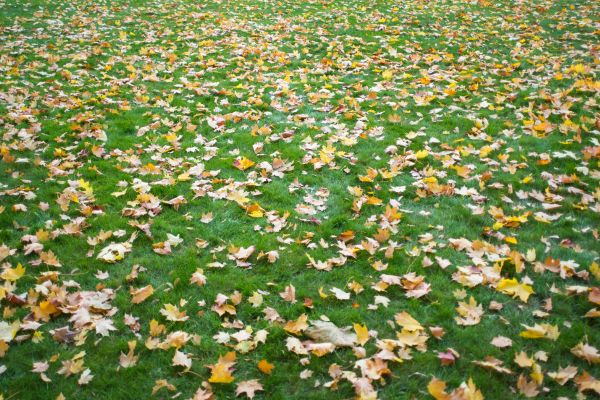
Falling leaves are lovely, but they can pose a real threat to your lawn if you let them pile up. If you stay on top of them, you can simply mow over fallen leaves, turning them into natural fertilizer for your yard. However, if you have a lot of trees or a period of strong wind, you’ll want to tackle the excess leaves. Rake them to the curb if your area offers leaf pickup, or rake them over to your compost pile. Just make sure you don’t have a thick bed of leaves for too long, as this can damage your grass and invite unwelcome pests such as winter mites.
Don’t forget that you still need to mow into the fall season, even in Colorado Springs. Common grass types, like Kentucky bluegrass or fescue, benefit from regular mowing, even into the cooler seasons. The grass clippings can also act as a natural mulch that will help protect your lawn through the fall.
Common Lawn Problems in Colorado Springs
If you’ve lived in the area for over a season, you’ve probably already seen some of the most common lawn issues. It can help to seek lawn care services from a professional lawn care provider, but it’s also wise to understand the challenges so you can be prepared to face them.
Managing Dry Air and Wind
The dry air of the Colorado Springs region means you’ll have to be ready to water well beyond what’s expected in other climates. As mentioned, prepare to water through October if the weather is particularly dry. The high winds also mean more leaves and limbs could be dropping onto your lawn this season, and they will need to be dealt with right away. Remember that water restrictions are common in Colorado Springs, so you need to be aware and stay water-wise. During dry spells, water in the morning and adjust your sprinklers so you aren’t going over the limits.
Dealing With Snow and Ice
Snow and ice are a reality of winter weather in all of Colorado. Colorado Springs is often sheltered from some of the most extreme snowfall, but it’s still a fairly common occurrence. To make sure you’re ready, fertilize early in the fall. If you wait too long, you’ll be more susceptible to snow mold. Mulching around sensitive plants and trees will also help retain moisture and keep them from getting too dry or cold. When you notice the grass blades turning yellow, mow down to about 1.5 inches before the first snowfall. This will keep your turfgrass from becoming matted or thatched under the weight of the snow and ice.
Addressing Soil Compaction
If you have a high-traffic lawn, you likely have compacted soil. But soil compaction can be caused by many things, including a heavy layer of thatch or an imbalance of nutrients. Whatever’s behind it, failing to address soil compaction will cause your grass to struggle—and often fail—to thrive. This is why fall aeration is key if you want to have a lush and thick spring lawn. It’s possible to dethatch and aerate your yard on your own, but you aren’t likely to get the best results. To achieve that, you’ll need professional help.
The pros come with the knowledge and experience needed to do the job and with all the equipment and tools the average homeowner can’t access. Take a look at DIY vs. professional lawn care costs to see if hiring a professional service is right for you.
How Professional Lawn Care Services Can Help
Buying a home can feel like you don’t have a chance to stop and catch your breath in those first months or even years. Sometimes, it pays off to bring in outside experts to help tackle things like your lawn, so you have one less thing to worry about on your plate. At Integrated Lawn Care, our experts can get your lawn prepped this fall and ready to face the winter ahead so it can emerge green, healthy, and lush in the spring. We have years of experience offering a variety of lawn care services including organic lawn care, rock bed weed control, tree and shrub care, and more. Check out our comprehensive Colorado lawn care services and contact us to get a quote for services.